
Fischer Panda recommends to test run the genset before building it in.
So we did it. The setup reminded my to an experimental setup during my days in university research. That time, we considered the setup as perfect when it only holds together until the last measurement was done – after that, it can collapse.
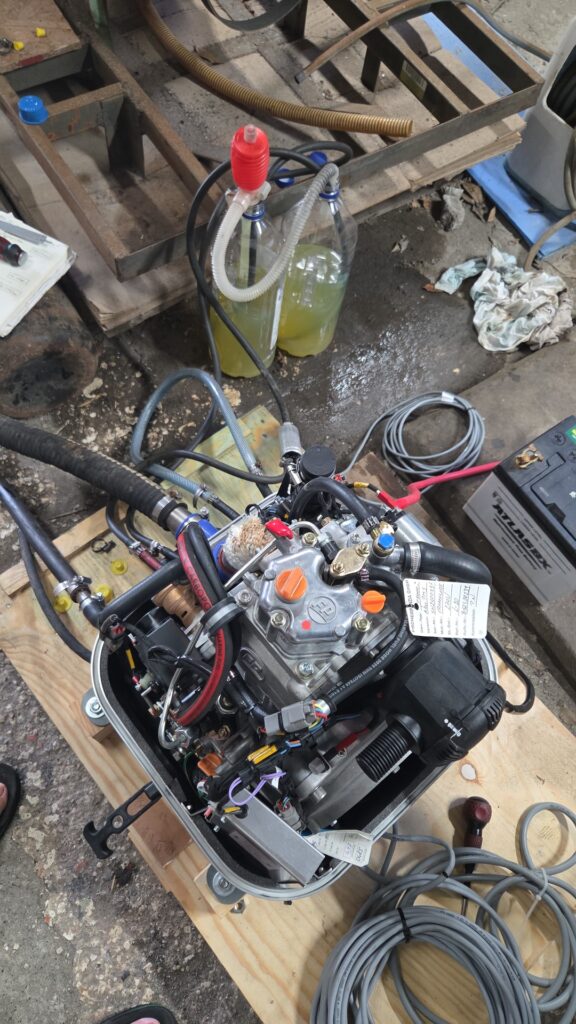
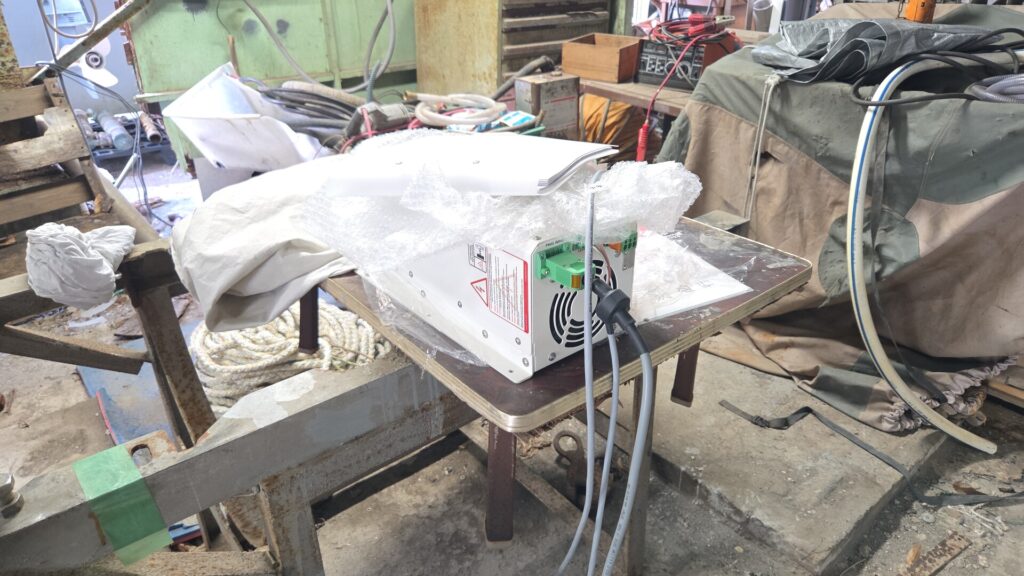
Two old water bottles one with some diesel in it and one for the diesel reflow. A hand siphon pump to pump returning diesel into to bottle which functions as the diesel tank. The electrical fuel pump just somewhere in the fuel feed line and connected to the 12 V power supply from the genset. For the coolant inside the engine, we made just a close circuit with a piece of a hose. As the return line has a smaller diameter we got a lost some coolant because we got a temporary leak. The raw water input, which normally gets sea water was connected to a fresh water line. The exhaust exit of the genset got an old piece of rubber exhaust hose to keep the exhaust fumes and the exciting raw water away from us. The electrical
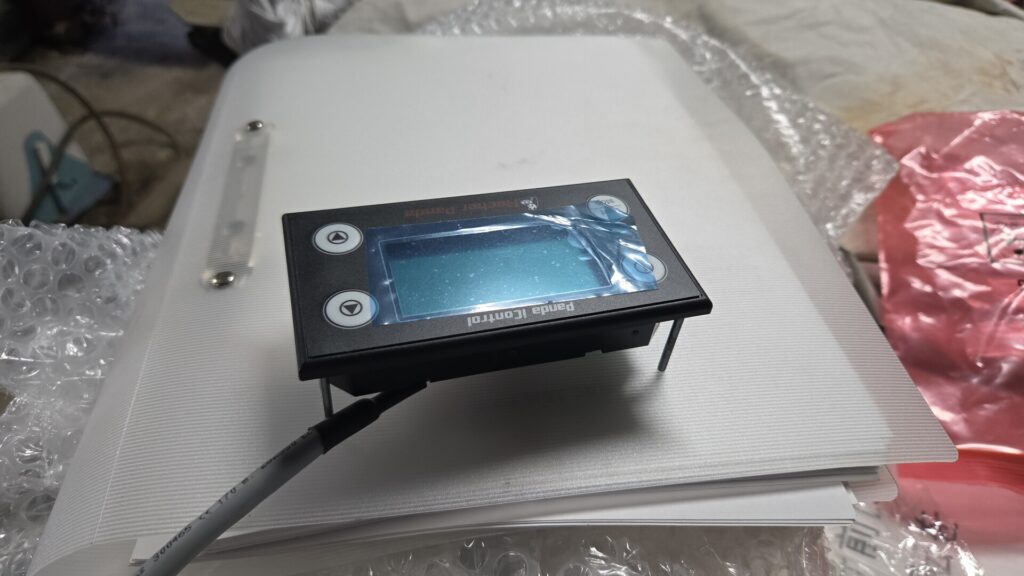
connections to the inverter were made with the long cables supplied. The same for the control panel. Only the battery cables we used were already made in the length as needed for the installation at MaRe.
Oil check showed the right oil level. Thus, all ready for the final steps. Connection of an old 12 V battery to power the start motor and supply the engine control board. The control panel displayed readiness of the system.
A push of the start button and the engine control board took over, started the fuel pump and a few seconds later the start motor. The diesel engine started and was running fine. Another few seconds later the inverter switched on its green OK-light.
The final test was to see if the inverter delivers 230 V. A multimeter connected showed 230 V. The only thing we could not test was the current from the inverter because we did not have a suitable device for an electrical load.
We considered the test as successful.
As we had only a reduced amount of coolant in the engine, the engine temperature went up after a few minutes and we switched off the genset. Test was completed and the experimental setup held together until the end of the test.
Like in the old university days!
Leave a Reply